Navigating Vitamin B12 Supplements: What You Need to Know
Introduction
Vitamin B12, also known as cobalamin, plays a vital role in red blood cell formation, nerve function, and DNA synthesis. While dietary sources include meat, fish, and dairy, supplements can bridge the gap for those at risk of deficiency. Let’s explore the different forms and routes of B12 supplementation.
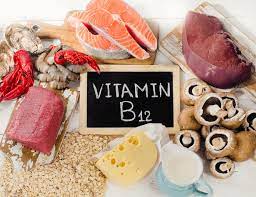
Vitamin B12 Overview
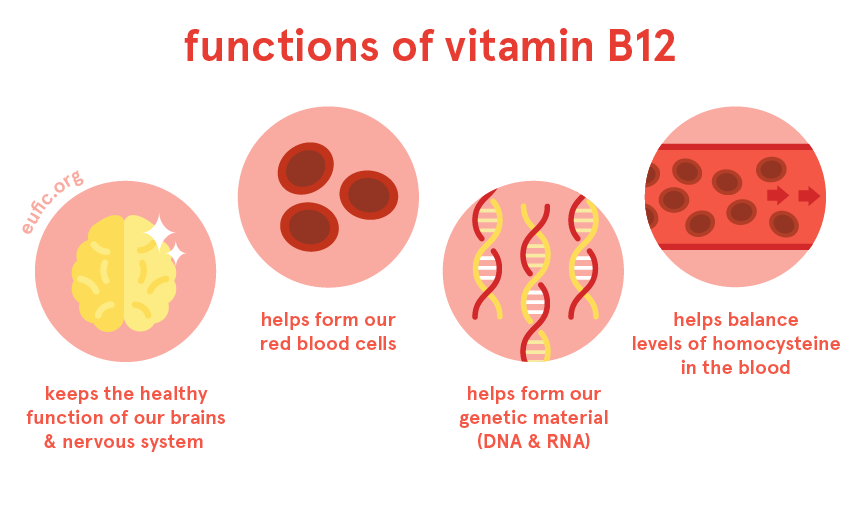
Vitamin B12 plays several crucial roles in our bodies:
- Red Blood Cell Formation: It’s essential for creating healthy red blood cells, which transport oxygen throughout our system.
- Cell Metabolism:B12 is involved in cell metabolism, ensuring our cells function optimally.
- Nerve Function:It supports the health of our nervous system, preventing issues like numbness and tingling.
- DNA Production:B12 is necessary for DNA synthesis, the genetic blueprint within our cells.
Recommended Daily Intake
The recommended daily intake (RDI) for vitamin B12 is 2.4 micrograms (mcg) for adults over 14 years old1. Most people can meet this through their diet, especially if they consume animal-based foods like meat, fish, dairy products, and eggs.
Sources of Vitamin B12
You can find vitamin B12 in various foods:
- Animal Products:Poultry, meat, fish, and dairy products are rich sources.
- Supplements:B12 supplements are available, especially for those with dietary restrictions.
- Fortified Foods:Some cereals, plant-based milk, and nutritional yeast are fortified with B12.

Increasing B12 Intake
- Include B12-Rich Foods:
- Animal Products:Beef liver, clams, oysters, fish, poultry, eggs, and dairy.
- Fortified Foods:Some cereals and nondairy milk are fortified with B12.
- Nutritional Yeast:A good option for vegans.
- Check Stomach Acidity:
- B12 absorption requires proper stomach acidity. If deficient, consider supplementation.
- Supplements:
- If at risk of deficiency (e.g., vegetarians, older adults), consider low-dose B12 supplements.
Remember, maintaining adequate B12 levels is crucial for overall health. If you experience symptoms like weakness, fatigue, or memory issues, consult a healthcare professional. 🌿
Questions And Answers
🌿What foods are high in vitamin B12?
Vitamin B12 is essential for various bodily functions, including red blood cell formation, DNA synthesis, and nerve health. Here are 12 foods rich in vitamin B12 that you can consider adding to your diet:
- Animal Liver and Kidneys:Lamb liver provides an incredible 3,571% of the Daily Value (DV) for vitamin B12 per 3.5 ounces (100 grams). Beef and veal liver also contain about 3,000% DV.
- Clams:Small and chewy, clams offer over 7,000% of the DV in just 20 small clams (190 grams). They’re also a good source of iron.
- Sardines:Lamb liver provides an incredible 3,571% of the Daily Value (DV) for vitamin B12 per 3.5 ounces (100 grams). Beef and veal liver also contain about 3,000% DV.
- Beef:An excellent source of vitamin B12, beef contributes to overall intake.
- Fortified Cereal:Some cereals are fortified with B12, making them a convenient option.
- Tuna:Tuna contains vitamin B12 and is a versatile choice for meals.
- Nutritional Yeast:Especially beneficial for vegans, nutritional yeast is often fortified with B12.
- Trout:A tasty fish that provides vitamin B12.
- Salmon:Rich in omega-3s and B12, salmon is a heart-healthy option.
- Nondairy Milk:Milk, yogurt, and cheese are good sources.
- Dairy:A tasty fish that provides vitamin B12.
- Eggs: Eggs contribute to B12 intake as well.
🌿What are the symptoms of B12 deficiency?
Vitamin B12 deficiency can lead to various symptoms, which may include:
- Fatigue:Feeling unusually tired or weak.
- Anemia:B12 deficiency can cause megaloblastic anemia, characterized by larger-than-normal red blood cells.
- Numbness and Tingling: Peripheral neuropathy can result in sensations of pins and needles.
- Difficulty Walking:B12 deficiency affects the nervous system and can impact coordination and balance.
- Cognitive Changes: Memory problems, mood swings, and difficulty concentrating.
- Pale or Jaundiced Skin:Anemia can lead to paleness or yellowing of the skin.
Remember to consult a healthcare professional for personalized advice. 🌿
🌿What are the benefits of B12 supplements?
Vitamin B12 supplements offer several benefits:
- Energy Boost:B12 supports energy production by aiding red blood cell formation and metabolism.
- Nerve Health: Adequate B12 levels maintain a healthy nervous system, preventing numbness and tingling.
- Cognitive Function:B12 is linked to memory, concentration, and overall cognitive well-being.
- Anemia Prevention: B12 deficiency can lead to megaloblastic anemia; supplements help prevent this.
- Heart Health:B12 supports cardiovascular health by reducing homocysteine levels.
Conclusion
All administration routes—oral, intramuscular (IM), and sublingual (SL)—effectively raise B12 levels. IM ranks statistically higher, but clinical significance remains debatable. Remember to consult a healthcare professional for personalized advice.
Note: Always consult a healthcare provider before starting any supplement regimen.
Sources:Mayo Clinic|Wikipedia|WebMD|Harvard T.H. Chan School of Public Health
Comments
Post a Comment